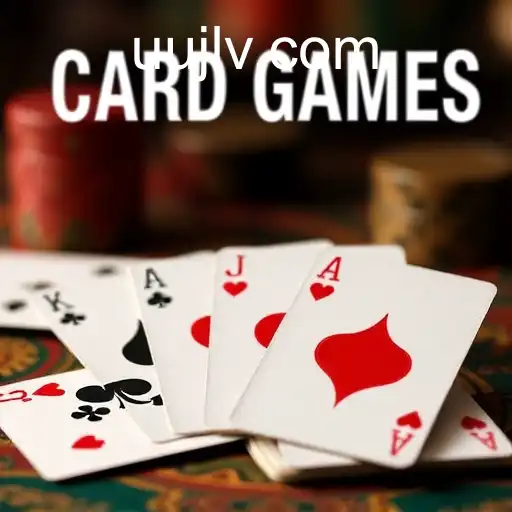
The Allure and Complexity of Card Games: A Journey Through Strategy and Chance
Card games are a fascinating blend of luck, strategy, and skill that manage to captivate individuals across the globe. The diversity of card games is immense, captivating players of all ages and backgrounds. From traditional games passed down through generations to innovative new creations, the card games spectrum is both rich and vibrant.
Historical Origins and Evolution of Card Games
The history of card games can be traced back to ancient China, where paper was invented. Card games began as an entertainment form for the elite and gradually permeated through various cultures. During the 9th century, these games spread to the Middle East, eventually making their way to Europe through the trading routes. By the 14th century, European card manufacturers began producing their own decks, leading to the standard 52-card deck that most are familiar with today.magic jili
The Universal Appeal of Card Games
Card games have a universal appeal, transcending cultural and geographic barriers. They offer mental challenges and social interaction, fostering communication and camaraderie. Games like Poker, Bridge, and Solitaire have become household names, enjoyed by people from all walks of life.
Each game offers its unique set of rules and objectives, but they all share the common trait of testing a player's strategy and decision-making abilities. The blend of skill and chance makes these games enticing, as each hand dealt offers a new opportunity and a fresh start.
The Strategic Depth of Card Games
The strategic depth of card games is one of the primary reasons for their enduring popularity. Whether it's the bluffing dynamics of Poker, the complex bidding system of Bridge, or the calculation-driven moves in Pinochle, players are constantly challenged to think ahead and outsmart their opponents.aaa jili
Strategies in card games can vary from simple tactics to highly complex plans that require deep concentration and mental agility. In games such as Hearts or Spades, players must anticipate opponents' actions and plan several moves in advance, evaluating risk and reward with each card played.
The Role of Chance
While skill and strategy are crucial, the element of chance is what makes card games accessible to newcomers. The random deal of cards ensures that even the most inexperienced player has a shot at victory, leveling the playing field and adding excitement to each game.
This aspect of chance is crucial in maintaining players' interest as it injects uncertainty, requiring adaptable and flexible approaches to gameplay. The thrill of the unexpected has kept generations of players engaged, eagerly anticipating the next round.
Technological Advancements and the Digital Era
With the advent of technology, card games have found a new platform in the digital realm. Online platforms have expanded the reach of card games, allowing players to engage with others worldwide. Popular titles like Hearts, Spades, and Poker have successfully transitioned into the virtual world, with digital formats offering multiplayer functionalities and innovative features.
These digital advancements have made card games more accessible, offering players the opportunity to compete and interact with global communities. The ability to play with opponents from different regions and cultures enriches the overall experience, enhancing the social element of card games.
Card Games and Their Social Impact
Beyond the entertainment factor, card games play a significant role in socialization. They serve as a medium for friends, families, and strangers to connect and communicate. In an era where digital interactions often replace face-to-face encounters, card games provide a valuable opportunity for direct social engagement.JILIBEE slot
Whether around a kitchen table, a virtual lobby, or a gaming night with friends, card games encourage dialogue, laughter, and shared experiences. These interactions build memories and strengthen bonds, underscoring the importance of card games in social contexts.
The Cultural Significance of Card Games
Card games often reflect the cultural backdrop in which they evolve. For instance, the French suits (hearts, diamonds, clubs, and spades) are derived from the symbols of medieval society: clergy, nobility, peasants, and merchants. Similarly, games like Tarots and Canasta have unique cultural variations that offer insight into the traditions and customs of different societies.jilicc
These cultural nuances in card games showcase the diversity of human creativity and the capacity for innovation within constraints. They stand as a testament to the adaptability and universality of card games as a cultural artifact.magic jili
Conclusion: A World of Endless Possibilities
The world of card games offers endless possibilities, transcending conventional barriers of communication and understanding. The blend of mental challenge, chance, and social interaction makes card games a timeless form of entertainment. As the realm of card games continues to expand and evolve, they will undoubtedly remain a cherished pastime, bridging generations, cultures, and individuals across the globe.